
The Briefing
- Over 12,547 people gained Finnish citizenship last year.
- New records set before strict laws take effect.
- Backlog clearing and policy changes drove the surge.
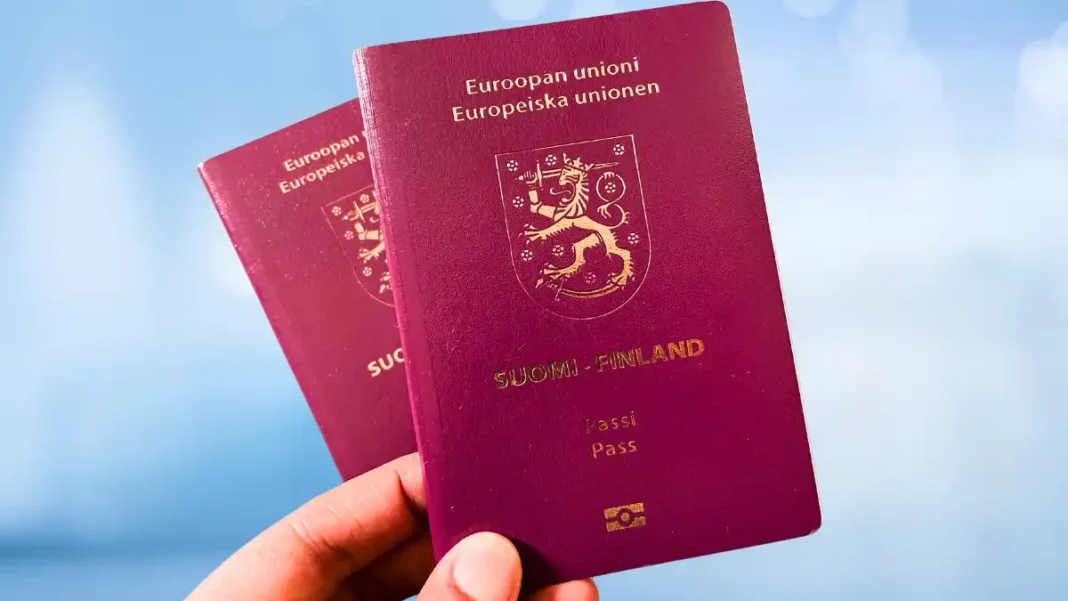
Finland granted citizenship to a record-breaking 12,547 people between January and November last year, surpassing all previous annual totals. This milestone comes as the Finnish Immigration Service works through a backlog of applications while the government prepares to implement much tougher requirements for foreign residents.
The previous record was set in 2024 when 12,417 individuals received positive decisions. Even without the final data from December, last year has already become the busiest year for naturalization in the history of the country.
Mari Luukkonen from the Finnish Immigration Service, known as Migri, told Uutissuomalainen that the high numbers are partly due to efforts to clear existing application queues. Officials have focused on processing older files to reduce wait times for applicants.
Nationalities with the highest number of new citizens included Iraqis, Russians, Syrians, and Afghans. Many of these individuals arrived during the 2015 migration surge and have only recently met the long-term residency requirements.
External context explains that this surge is also a reaction to the current political climate in Helsinki. Prime Minister Petteri Orpo’s government is moving forward with plans to increase the required residency period from five years to eight years for most applicants.
Migri expects the number of applications to remain high through 2026.
Furthermore, Finland is following a trend seen across Northern Europe. Like neighboring Sweden and Denmark, the Finnish government plans to introduce a formal citizenship exam in early 2027 to test language skills and knowledge of society.
Many long-term residents hurried to submit their applications to ensure they were processed under the older, more flexible rules. This rush contributed significantly to the spike in successful applications throughout the year.
Migri expects the number of applications to remain high through 2026. Many residents who are currently eligible are trying to secure their status before the next round of legal changes takes effect.