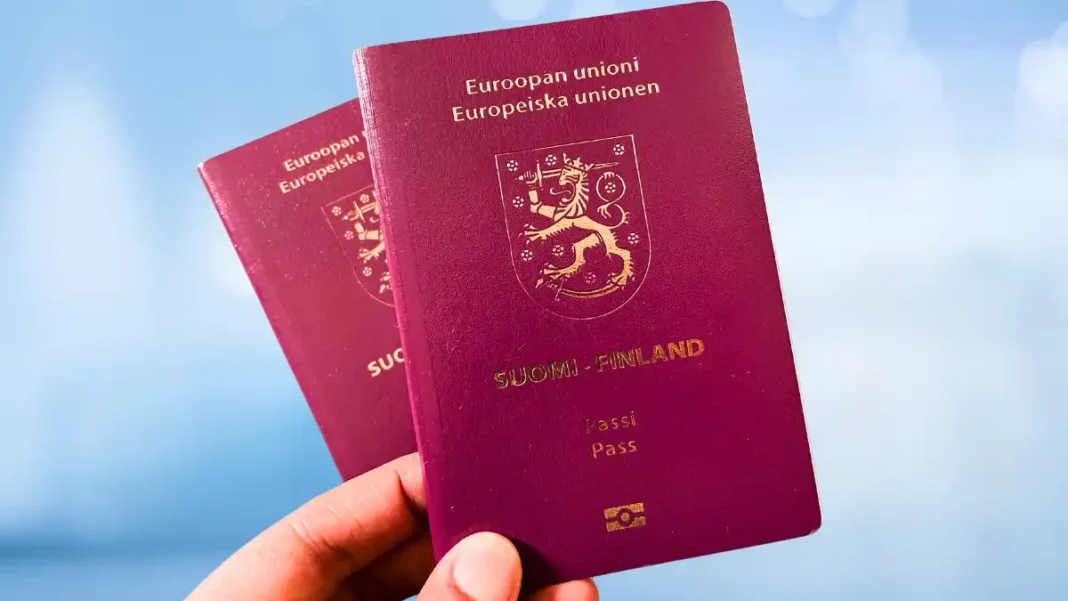

The Finnish government is moving forward with a plan to cut social security benefits for unemployed immigrants who do not speak Finnish or Swedish.
Under the new proposal, unemployment security will be divided into two categories: “General Support” and lower “Integration Support.” This change is designed to encourage faster employment and language learning among newcomers.
To qualify for the higher “General Support,” a job seeker must have worked in Finland for at least 12 months and earned a minimum of 930 euros per month.
Immigrants who do not meet this work requirement, and who have lived in Finland for less than three years, will instead receive “Integration Support.”
The Integration Support will be approximately 80 euros lower per month than the standard General Support.
While 80 euros might seem like a small portion of a salary, it is a significant loss for someone living on basic social security. The basic unemployment benefit is roughly 800 euros per month before tax (about 600 euros after tax).
A cut of 80 euros represents a loss of more than 10% of a recipient’s monthly disposable income at a time when food and housing prices in Finland remain high.
However, immigrants can “earn back” this lost amount by demonstrating sufficient skills in either Finnish or Swedish. The government calls this a “language bonus.”
Who Is Affected?
These new rules will only apply to immigrants who arrive in Finland after the law comes into force.
Ukrainians receiving temporary protection are specifically excluded from these cuts.
This reform is part of Prime Minister Petteri Orpo’s government program and has been strongly championed by the Finns Party (Perussuomalaiset).
The government believes that linking benefits to language skills will speed up integration. The goal is to make language learning a financial priority for newcomers.
Legal Challenges
This is not the first time Finland has tried to cut immigrant benefits. In 2019, the government led by Juha Sipilä attempted a similar cut. That proposal was withdrawn because it violated the Finnish Constitution, which guarantees equal treatment regardless of national origin.
The current government is trying to avoid this legal problem by basing the cuts on “residence duration” and “language skills” rather than nationality.